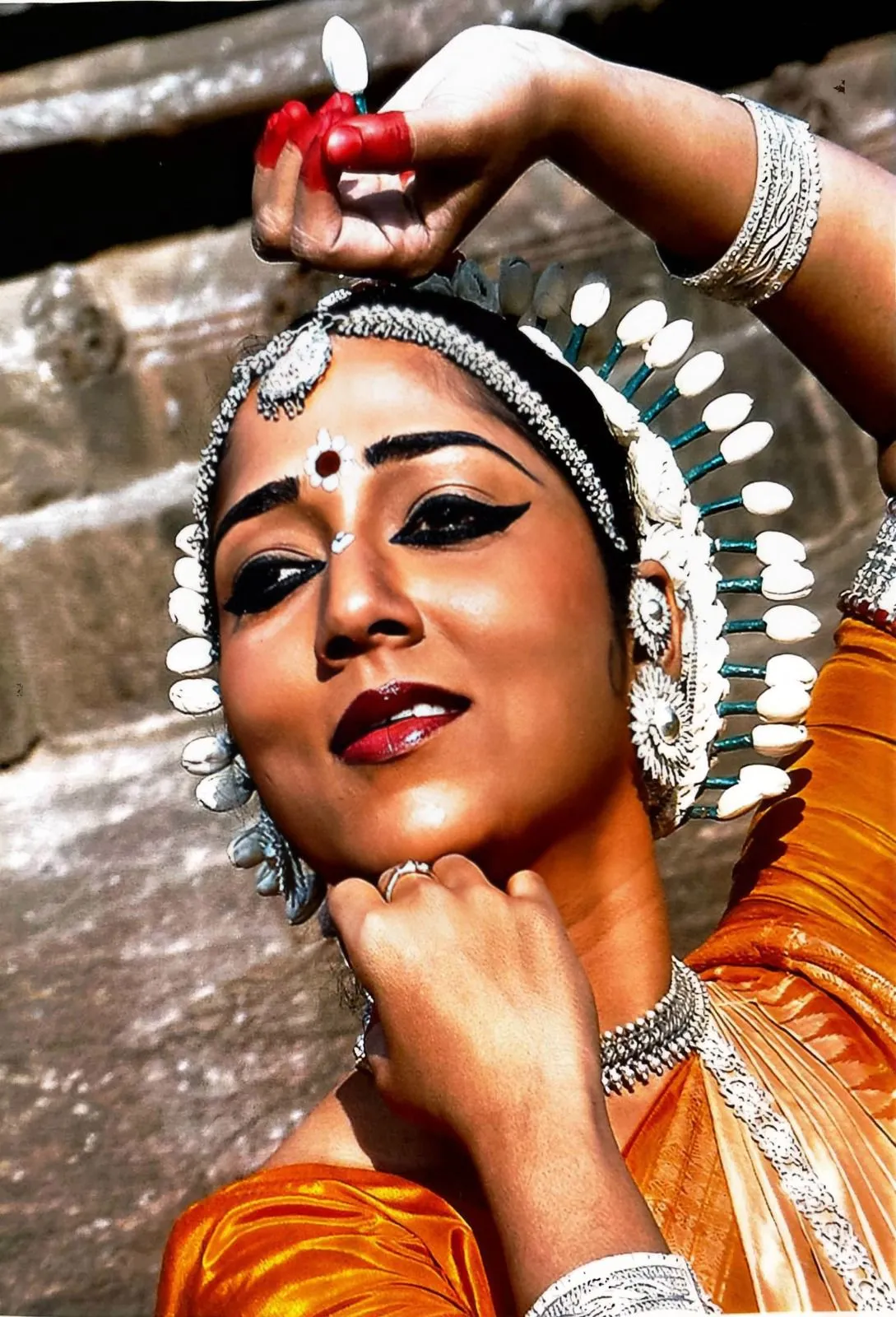
Bansi Bilash: A Home Where Art Became Life
When I look back at my childhood, I do not remember it in fragments—I remember it in movement, in music, in the hum of journeys that shaped who I would become. Ours was not a quiet, predictable upbringing. My father had stepped away from the security of a job to build something of his own, and his work took him across Odisha. We went with him, crammed into our car, carrying not just luggage but a world of song.
Puri was our constant. The road from Bhubaneswar felt sacred in its familiarity—the ashram on Lokanath Road, the salty breeze of the sea, and the divine pull of Lord Jagannath at the Bada Deula. But what truly defined those journeys was not the destination—it was what happened inside the car. Abala Mausa, my father's dear friend, would open his diary and begin to sing. His voice carried stories—of devotion, of Radha and Krishna, of the tender ache of Manabhanjana. We followed him, our hesitant voices slowly finding courage. When he called me his greatest palia, it awakened something deep within me—a quiet sense of belonging to music.
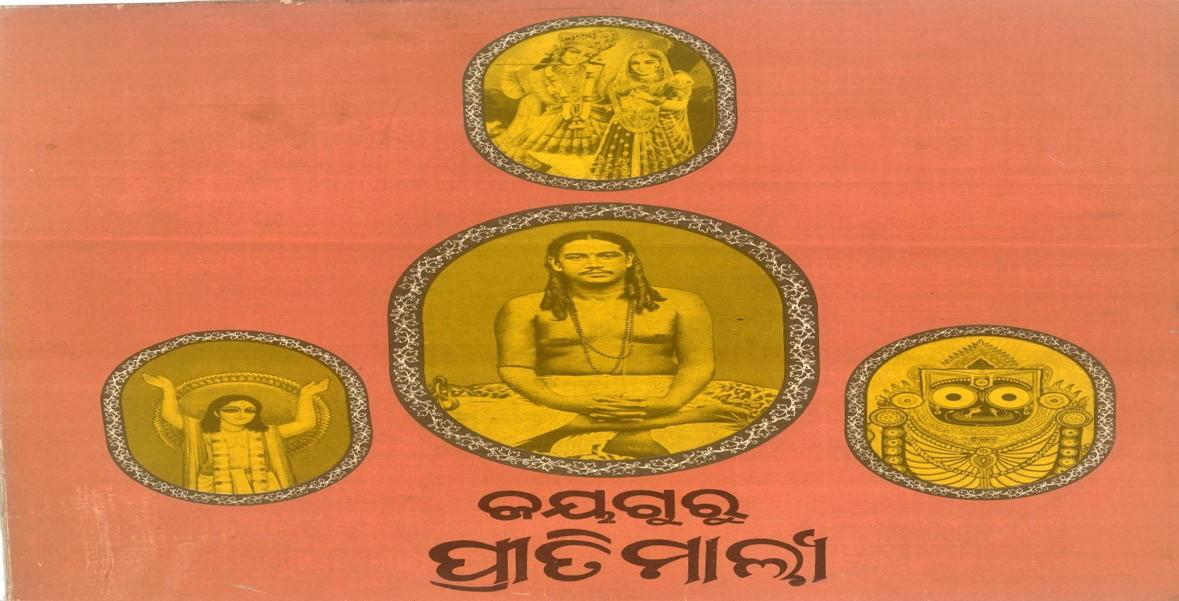
At home, music did not need an invitation—it was already everywhere. My mother, with no formal training, sang as if it were second nature and wrote songs and bhajans that seemed to flow from somewhere divine. My father, ever the dreamer, wanted those songs to live beyond our home. He imagined recording them, giving them a permanence they deserved. But dreams like that need the right hands to shape them—and that is when Sangeet Sudhakar Balkrishna Das entered our lives.
We had heard his name with reverence. When it was suggested that he might come home to compose for us, it felt almost impossible. And yet, the very next day, he walked through our door. There was no grandeur in his arrival—only a simplicity that disarmed us instantly. Balkrishna Sir, as we came to call him, carried with him not just mastery, but an extraordinary warmth. His laughter was uninhibited, his presence grounding. Awe soon turned into affection.
From then on, our afternoons belonged to him. At precisely four, he would arrive in a rickshaw, dressed in a pristine white kurta and neatly pleated dhoti, a quiet dignity in his bearing. He would sit with the harmonium, and slowly, patiently, breathe life into my mother's compositions. Each note was shaped with care, each pause intentional. He trained her, refined her, believed in her. He even lent his own voice to her songs—a gesture that meant more than we could fully grasp at the time.
The great Mardala maestro Guru Banamali Maharana would also often accompany him whenever Balakrishna Dash came home. The way he played the mardala felt less like accompaniment and more like a conversation—each beat carrying emotion, telling a story of its own. His calm and gentle presence, his affectionate gestures, and the effortless warmth between the two of them left an indelible impression on my childhood mind. Even today, that is the image I carry within me—not of towering legends, but of family. The love they both held for my parents, and for us, went far beyond mere relationships; it was something deeply human, deeply affectionate, and rare.
When he finally said we were ready, the HMV studio in Calcutta was booked. That journey, that recording, became a defining moment. Preetimalya—a garland of devotional songs—was born. And with it, something far greater took root:
"Bansi Bilash was never just an organisation. It was a living, breathing world. A home where art dissolved boundaries."
What began as a musical project soon became the soul of our home. It was no longer just about recording—it was about gathering. Musicians, dancers, poets, scholars—our doors were always open. Conversations flowed as freely as music. Balkrishna Sir remained a constant presence, not as a distant legend but as family. He called my mother "Maa" and my father "Chairman," and somewhere along the way, those names became truth. My mother became a nurturing force for an entire artistic community, and our home transformed into a sanctuary where art was not performed—it was lived.
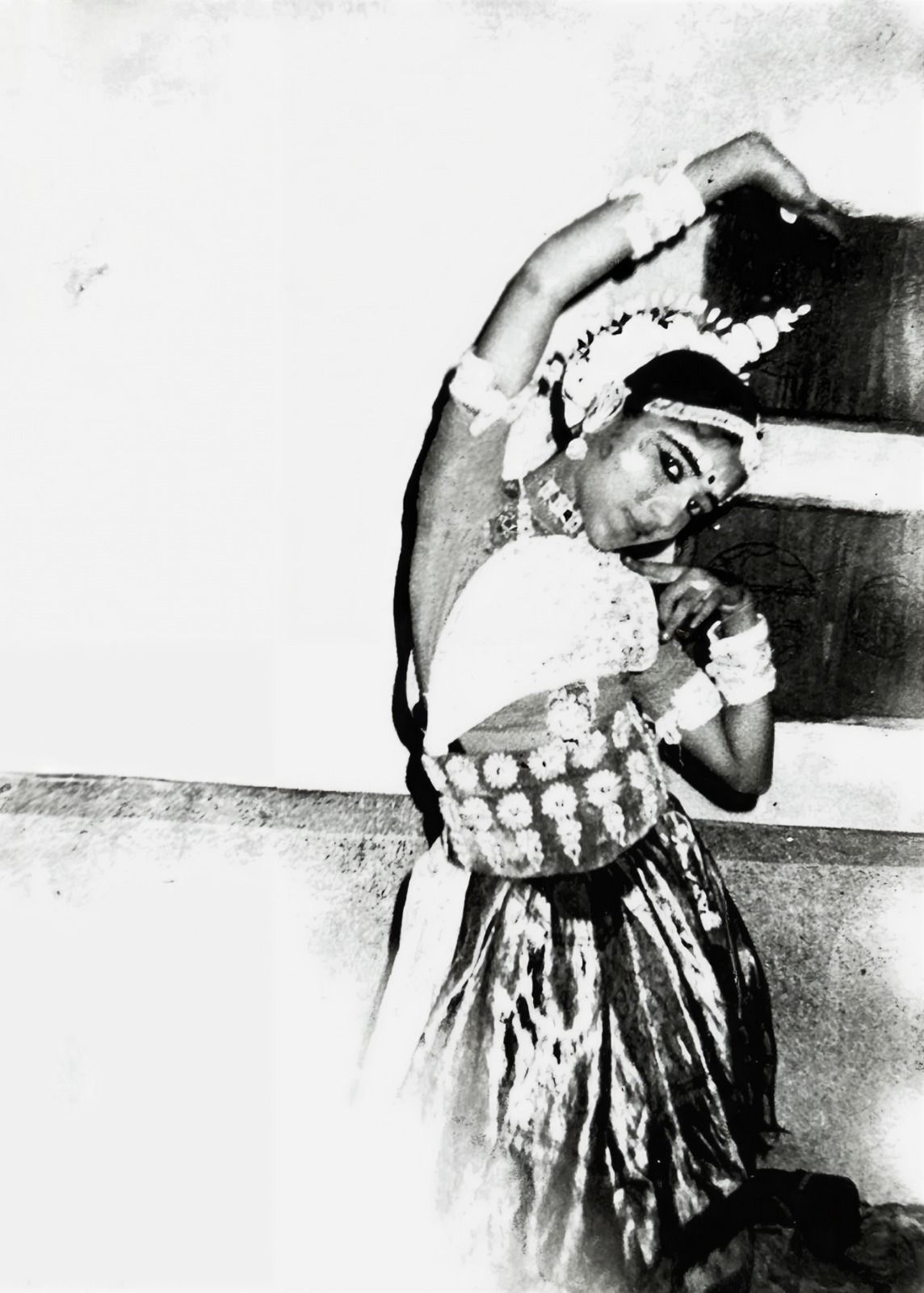
Amidst all this, my own journey in Odissi dance had begun under the legendary Guru Deba Prasad Das. One day, as I practiced, my father voiced an idea that would change everything—why not bring Manabhanjana to life through children? Not just as music, but as a full dance drama. Guruji's eyes lit up, and the search began for young dancers who could carry the weight and beauty of this vision.
But once again, the music needed a master's touch. And once again, we turned to Balkrishna Sir. He composed for what would become Basanta Raasa, and with that, the foundation was laid. Every afternoon, our home filled with children. School bags were dropped, ghungroos tied, and rehearsals began. Guruji choreographed tirelessly, shaping each of us into characters—Krishna, Radha, the sakhis, Chandravali, Madhumangal. Scene by scene, what seemed impossible began to take form.
The day of the first performance arrived. It was an open field in Acharya Vihar, modestly arranged with chairs. But as the performance unfolded, something extraordinary happened. People gathered. Then more people. They stood, they watched, they stayed—drawn into something they could not quite explain. The music soared, the storytelling came alive, and for a few hours, we were no longer just children on a stage. We were part of something sacred.
That night changed everything.
Invitations followed, rehearsals intensified, and our lives became inseparable from Basanta Raasa. We travelled, performed, studied, and somehow kept pace with it all. It felt miraculous. But more than anything, it shaped us. We were not raised as individuals seeking attention—we were part of a collective. My father would often say, "They are all my daughters," and he meant every word.
In that home, there was no room for ego. Only for effort. For the quiet, relentless pursuit of refinement. We learned to repeat, to endure, to grow without applause. And in that repetition, we discovered something profound—that fulfilment does not come from recognition, but from immersion.
Bansi Bilash was never just an organisation. It was a living, breathing world. A home where art dissolved boundaries. Where the artist community and a legendary musician like Balkrishna Sir could become family. Where childhood was not something separate from art—it was shaped by it. And even today, when I look back, I do not just remember what we created. I remember how deeply we lived it.
As the journey of Basanta Raasa unfolded, our bond with it only deepened. We carried it everywhere—onto stages, into temples, across villages and town halls—sharing it with vaishnavas, sages, yogis, artists, and everyday audiences who received it with quiet devotion. It was during this time that my father felt a growing urgency to preserve those fleeting moments. He sensed that as we grew older, the innocence that gave the performance its soul might fade. Determined to hold onto it, he envisioned transforming it into a full length feature film—a dream that soon began to take shape.
The transition to cinema opened up an entirely new world. The music evolved, expanding to accommodate a larger vision with 81 songs and a wider ensemble of voices. My mother lent her voice to every song of Radharani, while the recordings came alive at Prasad Labs in Chennai. Dance, too, was reimagined for the camera, calling for new choreography and more performers. Auditions brought children from across Odisha, and with them, our world grew into a larger family. Under the guidance of Guru Bimbadhar Das, with Sri Raju Mishra behind the camera and Sri Budha Maharana shaping the visual world, the film found its form.
Life during those days was intense yet magical. Our rooftop turned into a rehearsal space beneath a temporary tent, echoing with movement every evening in preparation for the next day's shoot. Mornings began before dawn, standing in line for makeup, followed by long days filming at the Botanical Garden. For a month, this rhythm defined our lives. When filming ended, the work continued at Kalinga Studios in Bhubaneswar, where the story was carefully stitched together.
By the end of 1984, Basanta Raasa was released—a bold and heartfelt creation, woven with 81 songs performed by children. What once felt like a distant dream had become a living reality. That very year, the film was honoured with three State Government awards, affirming the vision behind it.
Even now, its echoes have not faded. People return to Basanta Raasa—watching, remembering, speaking of it with a quiet warmth and a sense of wonder that time cannot dim. And in those reflections, what reveals itself most gently, most truthfully, is this—that what continues to flow through it is premabhakti: a pure, unwavering devotion, born not of form or performance, but of love itself.
✨